5 Years After Nigeria's EndSARS: Global Calls for Reform EndSARS Movement
Five years post Nigeria's EndSARS movement, activists around the globe persist in their fight for police reform. Discover how these protests foster cross-cultural solidarity and inspire worldwide demands for justice against police brutality.
Jade Nyari
11/5/20254 min read
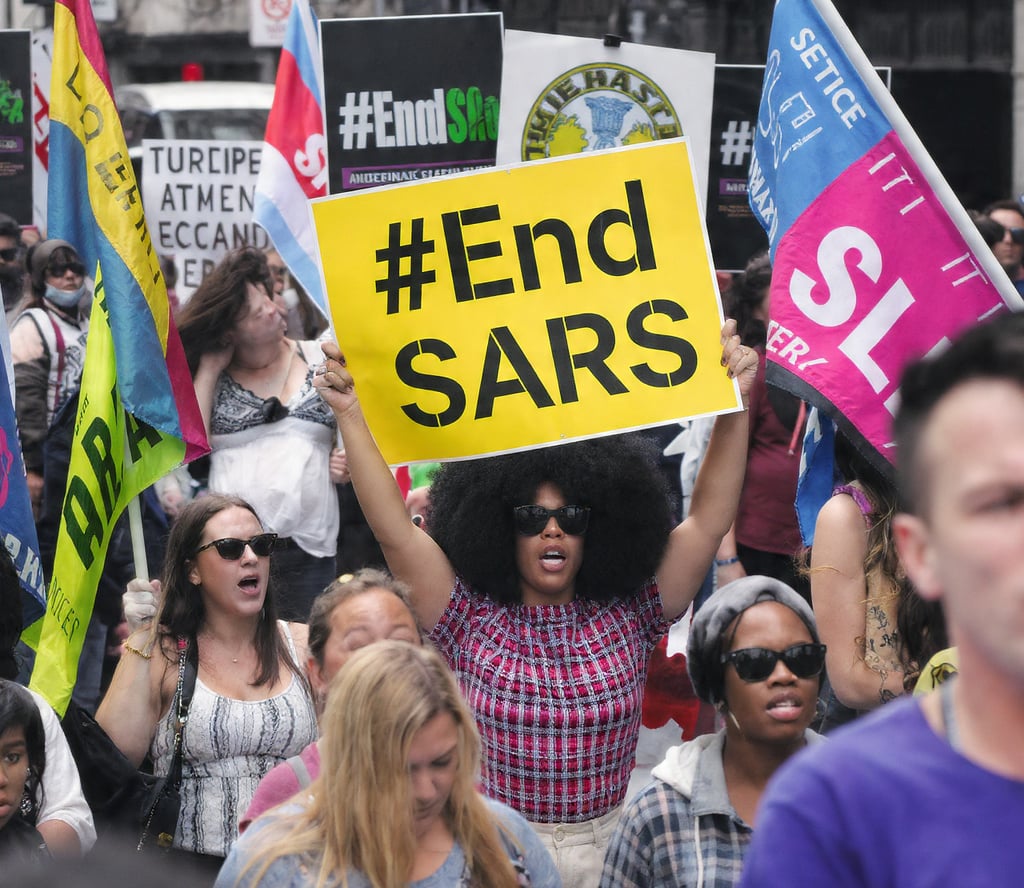
From Protest to Policy: How #EndSARS 5th Anniversary Demands Echo U.S. Reform Needs
This October marks the 5th anniversary of Nigeria’s #EndSARS movement, a youth-led uprising that captured global attention by demanding an end to police brutality and systemic abuse. What began as outrage against the notorious Special Anti-Robbery Squad (SARS) quickly escalated into a nationwide call for accountability, justice, and societal reform. Beyond the streets of Lagos, Abuja, and Port Harcourt, the movement reverberated across continents, reminding the world that police brutality is a global issue, one that transcends borders and political systems. In classrooms, offices, and online communities around the world, #EndSARS became a lens through which people examined their own societies, asking difficult questions about justice, law enforcement, and the rights of ordinary citizens.
One Voice Unlocks Borders
As someone who has spent years teaching internationally, from China to South Korea to the U.S., I have seen firsthand the power of a single voice to bridge cultures and spark dialogue. In my classrooms, I’ve observed students grappling with the idea that injustice in one corner of the world is not isolated but connected to the larger human experience. During discussions about civic engagement and activism, one student in Shanghai once remarked, “It’s amazing that what happens in Nigeria can make people here rethink their own society.” That moment reinforced a lesson I often share: one voice, when amplified through courage and technology, can unlock borders, connect movements, and inspire cross-cultural change. The global resonance of #EndSARS proves that the fight against police brutality is not just Nigeria’s fight—it is a collective struggle for human dignity everywhere.
Police Brutality Global: A Shared Struggle
While Nigerian youth confronted SARS, the United States faced its own reckoning with law enforcement practices. The deaths of George Floyd, Breonna Taylor, and countless others exposed systemic patterns of abuse and impunity. In cities like Minneapolis, New York, and Los Angeles, protests emerged that were strikingly similar in their demands for accountability, transparency, and reform. The parallels between #EndSARS and U.S. movements highlight a crucial reality: police brutality is global, systemic, and interconnected. Hashtags like #EndSARS, #BlackLivesMatter, and #PoliceBrutalityGlobal are not just online trends—they are conduits for shared experiences, linking citizens across continents and giving international audiences the chance to witness and amplify local struggles.
Cross-Cultural Lessons in Activism
One of the most compelling lessons of #EndSARS is the power of youth-led, digitally connected activism. Social media became a megaphone for marginalized voices, proving that information can travel faster than borders and bureaucracy. I’ve seen this firsthand in my teaching. In one class in Lagos, students eagerly shared their own #EndSARS stories, explaining how they organized peaceful protests and digital campaigns, even as they faced intimidation and surveillance. Meanwhile, students in New York asked thoughtful questions, drawing comparisons to their own experiences with police accountability. These cross-cultural exchanges underscore a critical truth: education and activism are inseparable. Knowledge empowers action, and action inspires global conversations about reform. The lessons of #EndSARS remind us that systemic change begins with awareness, understanding, and the courage to speak out.
From Awareness to Policy: Turning Protests into Reform
Protests ignite awareness, but policy cements lasting change. In Nigeria, the #EndSARS anniversary is not only a commemoration of resilience but also a stark reminder of the gap between public outcry and institutional reform. Many demands—like dismantling SARS, establishing independent oversight bodies, and ensuring victims receive compensation—remain partially fulfilled, leaving activists vigilant. In the U.S., similar calls have emerged for community policing, demilitarization, and independent review boards. Cities like Los Angeles have piloted programs to shift non-violent calls from police to social workers, while Minneapolis continues to wrestle with reimagining its police department. These examples illustrate a shared global challenge: public pressure must translate into concrete policy change to prevent history from repeating itself. Activists, educators, and citizens alike play a vital role in holding governments accountable and ensuring that reform moves beyond rhetoric into measurable action.
Building Global Solidarity
The international attention #EndSARS has garnered demonstrates the power of global solidarity in amplifying local struggles. When Nigerian youth share their experiences online, they are not just reaching compatriots—they are inspiring a worldwide audience to pay attention, reflect, and act. As an international educator, I have seen students in diverse countries engage with these stories, drawing connections to issues in their own communities. This solidarity is crucial because justice is not bound by geography. Activism in Lagos can influence conversations in London; advocacy in New York can inspire reforms in Abuja. Each voice, each story, each hashtag becomes part of a larger mosaic of global accountability, reminding leaders that the world is watching and that inaction is no longer tolerable.
Conclusion: Voices that Transcend Borders
As we reflect on the 5th anniversary of #EndSARS, the movement’s impact is clear: protests have power, voices have influence, and global awareness is a form of accountability. From the streets of Nigeria to U.S. cities and classrooms around the world, the fight against police brutality is interconnected, revealing that reform is not a local issue—it is a human one. One voice, once heard and amplified, can bridge continents, ignite cross-cultural dialogue, and demand policies that protect the dignity and safety of all citizens. #EndSARS is a testament to this truth, reminding us that while protests commemorate the past, policy shapes the future—and together, global solidarity ensures that justice is not delayed.
#EndSARS #PoliceBrutalityGlobal #GlobalSolidarity #FromProtestToPolicy #OneVoiceUnlocksBorders