Lyon Brave: A Personal Story of NYC Homelessness
Lyon Brave shares her harrowing experience of homelessness and the failures of NYC shelters. This article highlights the systemic issues affecting women of color and caregivers, urging for accounta...
POLICE REFORM NOW
LAB
11/15/20255 min read
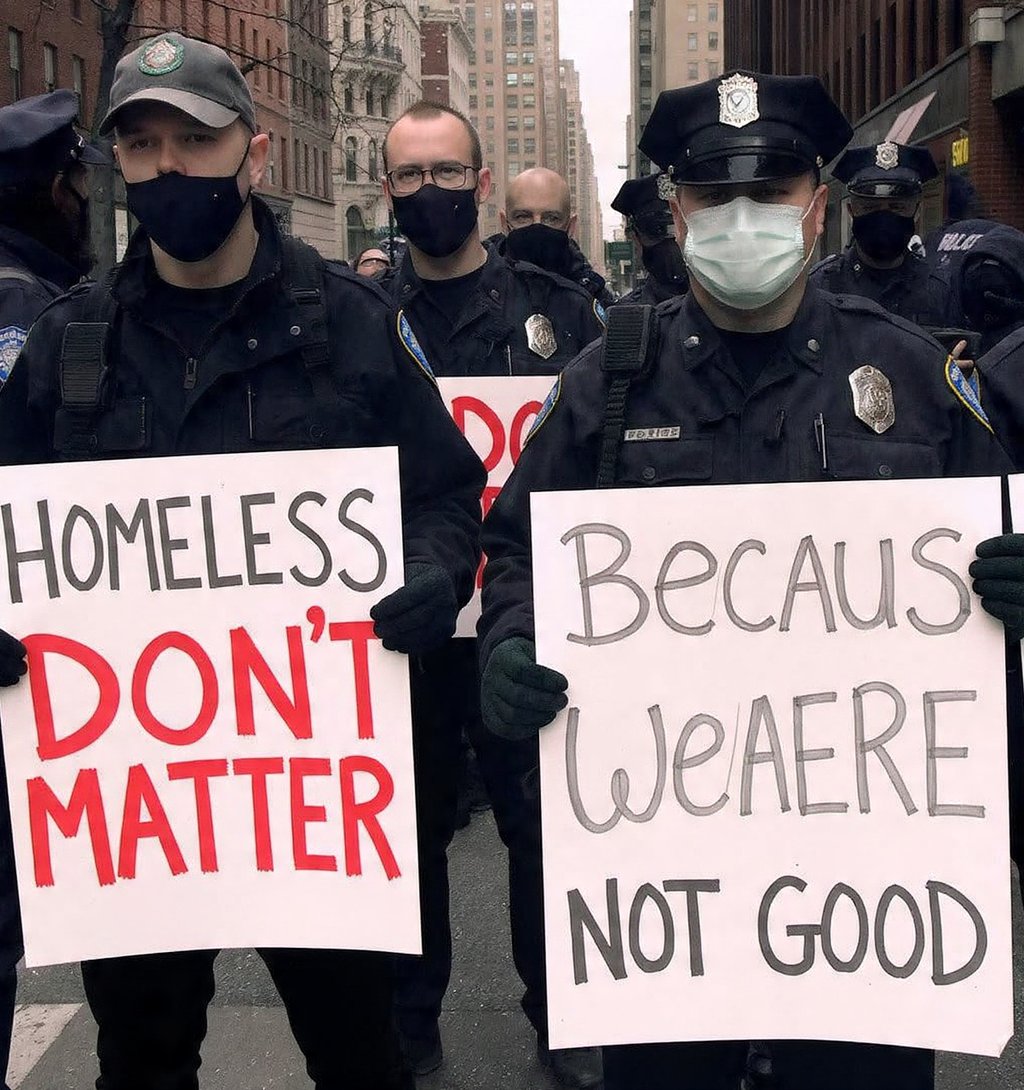
How Police Negligence & Unsafe Shelters in NYC Are a Housing‑Rights Crisis — And Why My Story Matters for All of Us
By Lyon Brave
This is not just my story. It’s part of a massive housing-rights and homelessness crisis in New York City — and if you care about justice, dignity, and real systemic change, you need to hear it.
Homelessness in NYC: A City‑Wide Crisis, Not an Isolated Problem
As of 2024, New York City’s shelter system counts over 86,000 people sleeping in Department of Homeless Services (DHS) shelters each night. (nyc.gov)
According to the NYC Comptroller’s data, nightly sheltered homelessness has grown drastically over the past several years. (comptroller.nyc.gov)
The New York State Comptroller reported that homelessness in the state more than doubled from 2022 to 2024, driven largely by the surge of people in NYC shelters. (osc.ny.gov)
On top of that, an annual street count recorded over 4,000 people sleeping unsheltered — on parks, subways, and sidewalks. (thecity.nyc)
These numbers aren’t just statistics — they represent tens of thousands of human beings forced to survive in a city that promises opportunity but often fails to protect them.
The scale of this crisis is staggering. Well beyond my own experience, homelessness in NYC is rooted in systemic policy failures, inadequate shelter infrastructure, and a broken social safety net.
Underpaid & Abused Home Health Aides: The Invisible Workforce
Before I became homeless, I worked as a home health aide — a job that should have been stable and dignified, but in practice, was exploitative.
Home health aides often earn very low wages despite providing essential care. (While there’s no one universal number, many aides work full-time for poverty-level pay.)
They are frequently undervalued, overworked, and lack strong labor protections.
The system treats us as disposable: we are asked to care deeply, but we receive little in return — no financial security, no robust benefits, and constant pressure.
Because of that exploitation, people like me find ourselves at a breaking point, especially in a city where the cost of housing is astronomical.
My story begins here: I was doing work that saved lives, but I couldn’t save myself.
Systemic Racism: When Authorities Don’t Protect Women of Color
One of the most painful truths I discovered is how deep systemic bias runs — especially in law enforcement.
Historically, people of color, particularly women of color, face disproportionate neglect when they report crime, abuse, or housing disputes.
In my case, when I called the police in the Bronx (Precinct 49) to report theft and abuse, they not only dismissed me — they forced me out of my home without following legal housing court procedure.
This is not just negligence; it reflects a pattern where victims who are not “seen” as priorities are denied basic protections.
The system is supposed to protect us. But for many Black and Brown women in NYC, it often fails — and sometimes actively harms.
My Story: From Home Health Aide to Homeless Advocate
Here’s how all of this came crashing down in my life:
I was living with an older man who abused me emotionally, verbally, and financially every single day. He stole my money. He controlled my life. I was alone, working in a job that gave me nothing but exhaustion. Then one day, I made the call I hoped would protect me: I called the NYPD Precinct 49.
Instead of listening, the police dismissed me. They refused to do a proper investigation. They didn’t refer the case to housing court, which would be the lawful procedure in a housing dispute. Instead, they evicted me on the spot. Just like that, I went from having a roof over my head to being homeless.
Once I was on the streets, the ripple effects were immediate: my belongings were stolen, I was assaulted, and eventually, I was sexually assaulted — all because I had no protection, no stable place to rest, and a system that abandoned me.
I entered the NYC shelter system. But the shelters were not safe sanctuaries. Many shelter staff were untrained, uneducated, and even intoxicated on the job. They bullied residents. They stole from us. They exposed us to even more danger. What was supposed to be a refuge became another dimension of trauma.
There was no dignity in living that way. There was no safety.
Why I Started a GoFundMe & What I’m Demanding
I didn’t start my GoFundMe because I want charity — I started it because I need justice, repair, and a movement.
Safety: I need a stable place where I’m not exposed to theft or violence.
Reparations from the City: The NYPD’s failure, combined with unsafe shelters, caused real, traumatic harm. I demand that the city pay for damages, not just to me, but to everyone who suffers because the system is broken.
Policy Change: This isn’t just about one person. It’s about building a movement to transform how NYC treats its most vulnerable — especially those who are systemically ignored.
My GoFundMe link is here:
👉 Donate to Support Me
The Bigger Picture: It’s Not Just Personal — It’s Systemic
1. Right-To-Shelter Doesn’t Guarantee Safety
New York City has a “right-to-shelter” — legally, people experiencing homelessness can access shelter.
But providing a cot is not enough. If staff are untrained or intoxicated, if shelters feel like prisons rather than safe havens, the right to shelter becomes meaningless.
2. Labor Exploitation Is a Housing Issue
Underpaid home health workers are a vital labor force — yet many of us are pushed to the margins, barely earning enough to live. Exploitation of caregivers is deeply tied to housing insecurity. If you can’t make a living wage, how do you afford a stable home in NYC?
3. Racism & Gender Bias in Policing
When the police don’t take seriously the voices of women of color, especially in housing or domestic abuse contexts, it’s not just negligence — it’s discrimination. We need accountability, training, and a systemic reckoning about who is protected and who is left behind.
How You Can Help Build a Movement
Here’s what I’m calling for — and how you can help:
Donate: Support my GoFundMe so I can secure safe shelter, heal, and continue fighting.
👉 Donate NowShare My Story: Talk about this. Share it on social media. Raise awareness.
Demand Policy Change: Contact city leaders, council members, and advocacy groups. Call for:
Better training and oversight of shelter staff
Accountability for police who violate housing-law protocol
Reparations for those harmed by system failures
Why This Matters
This isn’t just about Lyon Brave. This is about tens of thousands of people in New York City:
People housed in shelters that are unsafe
Workers providing care who are underpaid and undervalued
Victims of crime who are denied protection because of their race or gender
If we don’t demand change now, more people will suffer needlessly. If we don’t build a movement, the cycle will continue.
I’m not asking for pity. I’m asking for justice, accountability, and action. I’m asking for change — not just for me, but for everyone in this crisis.
I am Lyon Brave. I survived abuse, eviction, and betrayal. But I refuse to be invisible. I refuse to be silent.
👉 Support the GoFundMe — Let’s build this movement together.
If you like, I can turn this into a petition-style article (with demands, signatures, and a call to city council) — do you want me to do that?