Tackling NYC Policing: Accountability & Reform Insights for NYPD Accountability
Explore a gritty commentary on NYC policing, addressing key issues for nypd accountability from 2020-2025, including protest mismanagement and mental health response failures. This article advocates for community engageme...
POLICE REFORM NOW
Lyon Amor Brave
11/16/20255 min read
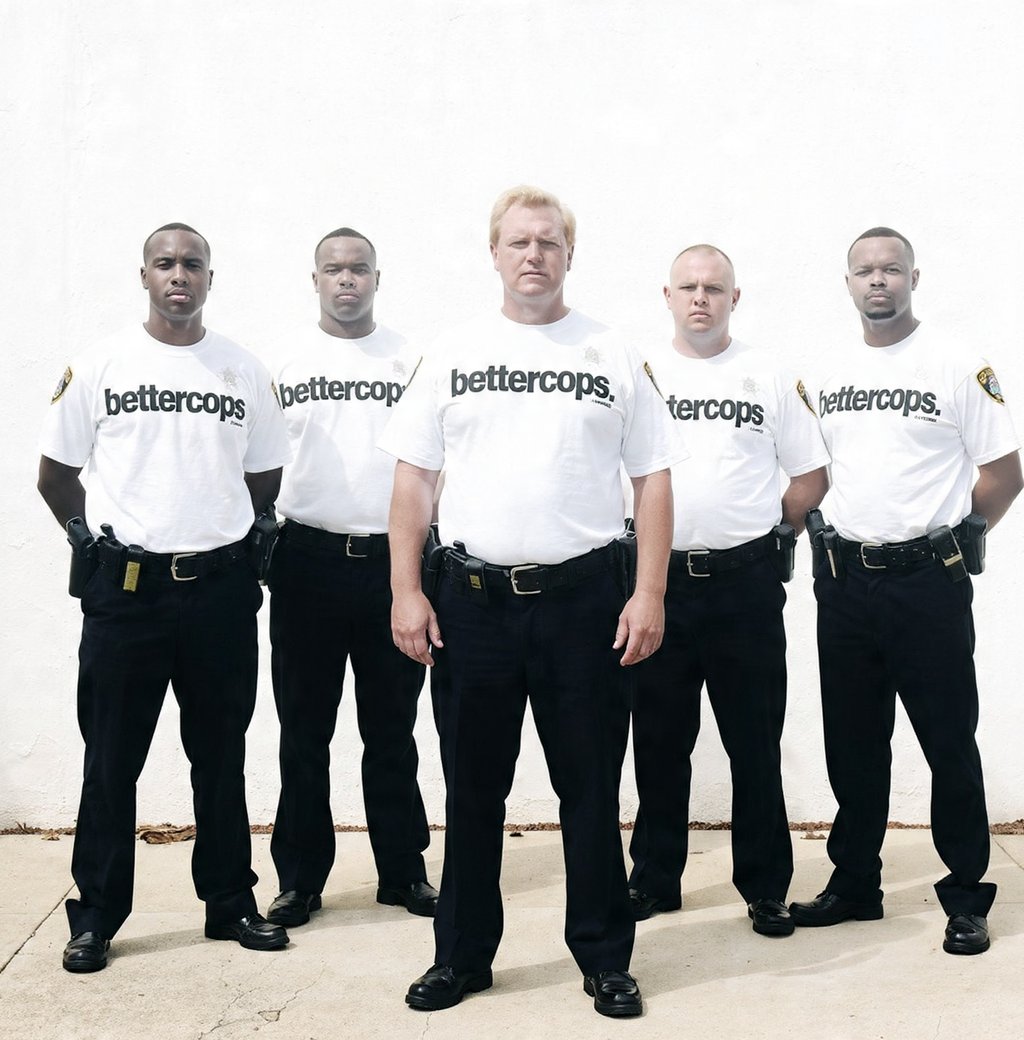
Listen Up, New York: We Need Better Cops
“Being a cop in this city isn’t about glory — it’s about surviving the streets, surviving yourself, and trying to do right when everything around you is trying to go wrong.
“Better Cops, Safer Streets: A No-Nonsense Look at NYC Policing and How the City Can Do Better”
Introduction: NYC Streets Need Accountability
New York City isn’t just a backdrop for dreams and skyscrapers — it’s a living, breathing organism with pulse points in every borough. And anyone who walks these streets knows one truth: policing in NYC has its highs, but the lows hit hard. Residents have seen everything — mismanaged protests, officers under pressure making mistakes, communities feeling ignored, and vulnerable people left without support.
The last five years alone have shown us how much the system can fail. From 2020’s mass demonstrations to ongoing mental health crises, the NYPD has faced challenges that ripple through every neighborhood. People are frustrated. They’re scared. And they’re demanding change. That’s where BetterCops.com comes in — a platform aimed at spotlighting failures, celebrating successes, and empowering New Yorkers to be part of the solution.
The Mishaps: NYC Policing, 2020–2025
1. Protest Mismanagement
The George Floyd protests of 2020 put the NYPD under intense scrutiny. Streets across Manhattan, Brooklyn, and Queens were flooded with demonstrators demanding justice. While many officers acted professionally, missteps occurred: arrests that seemed arbitrary, excessive use of force in some cases, and breakdowns in communication. These moments weren’t just PR problems — they shook trust in communities that had long felt unheard.
2. Mental Health Response Failures
Every day, officers respond to calls involving mental health crises. Too often, these situations escalate because there aren’t enough trained specialists on hand. Cases where residents with mental illness were arrested instead of assisted highlight the gap between policy and practice. Programs like co-responder teams exist, but coverage remains inconsistent, leaving families and neighborhoods frustrated.
3. Profiling and Community Tension
Certain communities, particularly in the Bronx and Brooklyn, report repeated stops and searches based on suspicion rather than evidence. Stop-and-frisk may have decreased, but perceptions linger. Residents feel watched, targeted, and sometimes dismissed when they voice concerns. Addressing profiling is not just about policy — it’s about rebuilding trust one interaction at a time.
4. Complaints About Misconduct
From mishandled arrests to questionable use-of-force incidents, misconduct complaints have been rising in some precincts. Transparency is critical. Communities deserve to see investigations conducted fairly, officers held accountable, and repeated patterns addressed quickly. Lack of accountability erodes trust, fuels frustration, and undermines the NYPD’s ability to serve effectively.
Stories from the Streets: NYC Residents Speak
To understand policing challenges in NYC, you need to hear from the people who experience it daily.
Brooklyn: A local store owner recalls a night when a disturbance outside her shop escalated unnecessarily. Officers responded quickly, but the situation spiraled because communication was lacking and neighbors felt unsafe.
Queens: Residents report repeated 911 calls for non-violent disturbances that ended in arrests rather than mediation or social services. Frustration grows when officers seem to have no tools to address root causes.
Bronx: A community group describes frequent mental health crises among teens. Without proper support, officers often become the first responders to issues better handled by trained professionals.
Manhattan & Staten Island: Mismanaged traffic stops, large-scale events, and misunderstandings between communities and officers highlight the need for consistent standards and cultural awareness.
These stories are not isolated. They represent the lived reality of policing in NYC, where residents demand safety and fairness.
The Role of Training and Accountability
Policing is a tough job, no doubt. Officers face daily dangers, long hours, and high-pressure situations. But that reality doesn’t excuse mistakes or misconduct.
Training Matters:
De-escalation techniques should be mandatory across all precincts.
Mental health crisis intervention training must be consistent and practical.
Cultural awareness and community engagement training can reduce tension and misunderstanding.
Accountability Is Key:
Independent review boards must be fully empowered.
Transparency in investigations builds trust.
Repeat offenders within the force should face real consequences to protect public confidence.
When officers are trained properly and held accountable, the result is safer streets for everyone.
Technology and Transparency
Modern policing relies on technology — when implemented correctly.
Body Cameras: Officers wearing body cams provide real-time accountability and clarity for both residents and the police.
Open Dashboards: Data on arrests, stops, and complaints should be publicly accessible and easy to interpret.
Anonymous Reporting: Residents must have safe ways to report misconduct without fear of retaliation.
Technology doesn’t replace community policing — it enhances it. Transparency builds trust, which is the foundation of safer neighborhoods.
Mental Health, Addiction, and Social Services
The NYPD cannot solve every social issue alone. Mental health crises, addiction, and homelessness are complex problems that require specialized support.
Co-Responder Programs: Teams of officers paired with social workers can reduce unnecessary arrests.
Resource Hubs: Neighborhood centers that connect residents to treatment, housing, and counseling.
Community Partnerships: Local nonprofits, hospitals, and advocacy groups working with precincts to fill service gaps.
By addressing root causes instead of only symptoms, police can help build safer communities without escalating tensions.
Community Engagement: Residents as Partners
Better policing requires better collaboration. NYC residents can:
Attend precinct meetings and give honest feedback.
Participate in town halls and police advisory boards.
Mentor youth to foster positive relationships with law enforcement.
Advocate for local programs that improve social services and support for at-risk populations.
Community engagement is not optional — it’s essential. Residents and police must work together to create a system that is fair, safe, and trusted.
Case Studies: Five Years of Lessons Learned
2020–2021: Protest mismanagement highlighted the importance of communication and de-escalation.
2021–2022: Mental health crisis calls revealed the need for co-responder programs.
2022–2023: Profiling complaints showed how perception affects trust, even when policies are reformed.
2023–2024: High-profile misconduct cases proved transparency is still inconsistent.
2024–2025: Technology and community programs began bridging gaps, but challenges remain.
Each year brought lessons, mishaps, and progress. NYC is a city of trial and error — but change is possible when residents and officers commit to accountability.
Vision for the Future: Better Cops, Safer Streets
The ultimate goal is a police force that is:
Trained: Officers equipped to handle mental health crises, de-escalate situations, and engage communities.
Transparent: Residents can see data, outcomes, and accountability measures.
Collaborative: Communities and officers working together, not against each other.
Responsive: Swift action to misconduct, fair treatment for all, and proactive safety measures.
BetterCops.com exists to educate, advocate, and empower NYC residents to demand this standard. Together, we can build safer, smarter streets without sacrificing accountability or fairness.
Call-to-Action: How You Can Make a Difference
Visit BetterCops.com for guides on local police boards, reporting tools, and community programs.
Attend your precinct’s monthly meetings — speak up, ask questions, demand transparency.
Volunteer or mentor youth to reduce crime and build trust in law enforcement.
Share knowledge with neighbors, friends, and social media networks to spread awareness.
Change doesn’t happen overnight — but every resident who participates pushes NYC closer to a fairer, safer, and more accountable system.