Rookie Cop Joe Blow & His K9 Partner Rex from the K9 Unit
Join rookie cop Joe Blow as he shares firsthand experiences with his K9 unit partner, Rex from the K-9 Unit. Discover the vital role of police dogs in enhancing situational awareness, preventing rookie mistakes, and savi...
COP STORYPOLICE TRAINING
JOE BLOW
12/2/20254 min read
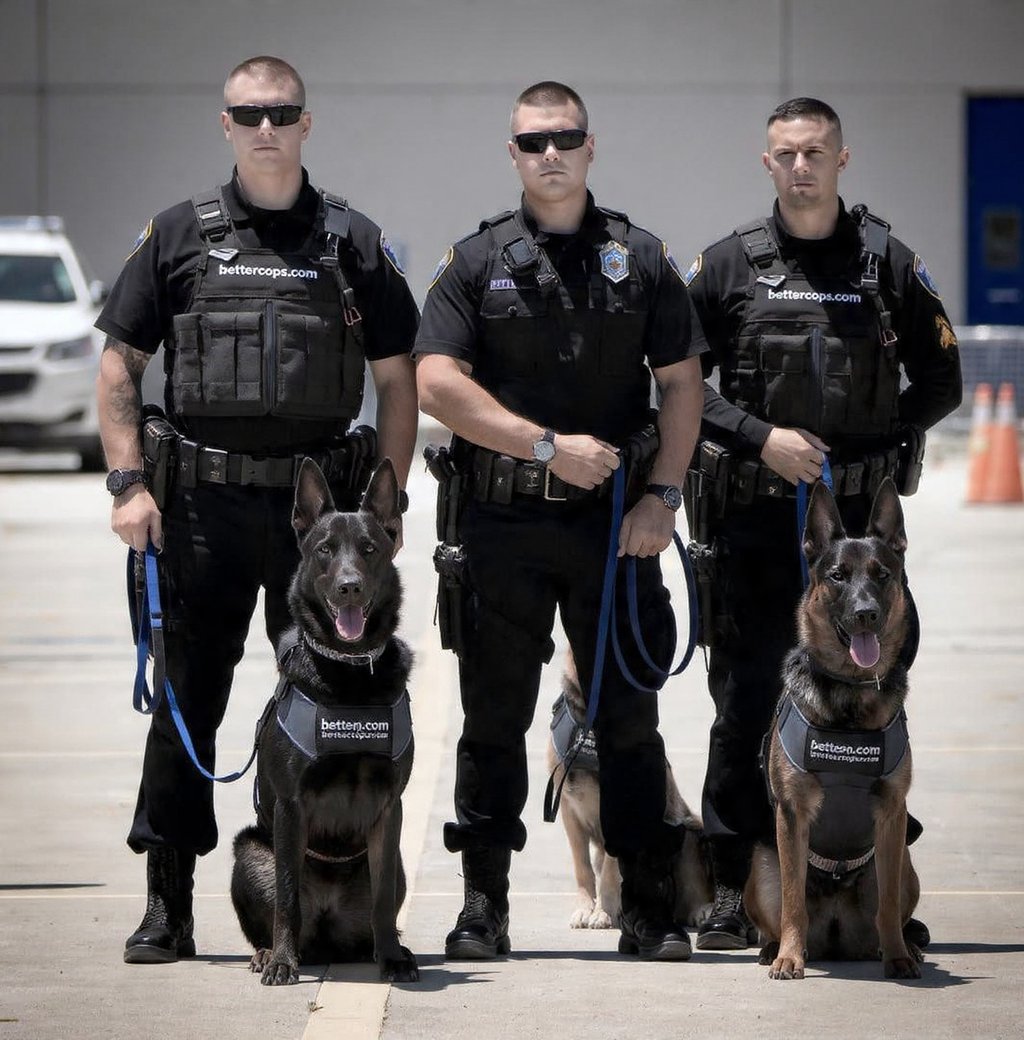
Rookie Cops and Their K9 Partners: Why Dogs Are the Ultimate Police Tool
By Joe Blow
I remember my first week on the force like it was yesterday. Fresh out of the academy, adrenaline pumping, my rookie mistakes were in full bloom. But then I met Rex — my K9 partner — and everything changed.
Dogs are more than partners. They’re teammates, guardians, and sometimes the only thing keeping you alive on a bad night. In this long story, I’ll share personal experiences, insider knowledge, and hard truths about why K9 units are invaluable to law enforcement.
Why K9s Are Game-Changers for Rookie Cops
Rookie cops make mistakes — a lot of them. We arrest the wrong people, let criminals slip away, and often fail to read situations correctly. A K9 can’t fix everything, but here’s what they do:
Supernatural Senses: Dogs’ noses are insane. They can detect drugs, explosives, or even humans hiding in ways humans simply cannot. A dog’s sense of smell is 10,000 to 100,000 times stronger than ours, and in law enforcement, that’s a game-changer.
Early Detection of Danger: A dog can sense fear, aggression, or unusual body language before a human would notice. In high-stress situations, that split-second alert could save a life.
Psychological Advantage: Even the toughest criminal gets nervous around a well-trained K9. Sometimes the presence of a dog prevents violence before it starts.
Versatile Partners: K9s work on patrol, search and rescue, narcotics detection, suspect apprehension, and crowd control. Their versatility allows rookies like me to have an “extra pair of eyes, ears, and nose” on the street.
First Week With Rex: A Rookie Learns Fast
I’ll never forget my first call with Rex. We were responding to a report of a stolen vehicle. I was nervous, fumbling with my radio, heart pounding. I barely noticed the alley where the suspect was hiding — but Rex did. He froze, ears up, tail stiff. I followed his cues, and we found the suspect before he could bolt.
I learned a huge lesson that day: never underestimate your K9 partner. They see what you don’t, sense what you can’t, and act faster than you ever could.
The Science Behind K9 Effectiveness
Let’s get a little nerdy. Science backs up everything you see on the streets:
Olfactory Power: A dog’s nose has up to 300 million olfactory receptors compared to about 6 million in humans. This allows them to detect scents in concentrations as low as parts per trillion.
Auditory Acuity: Dogs can hear frequencies from 40 Hz to 60,000 Hz, compared to humans’ 20 Hz to 20,000 Hz. That means they hear a footstep from across a yard before you do.
Speed and Agility: A well-trained K9 can chase, apprehend, and subdue suspects faster than any human, minimizing risks to officers.
Emotional Intelligence: Dogs pick up on stress and aggression cues from humans, helping de-escalate situations without a single command from their handler.
How K9s Save Lives
I’ve seen it firsthand. One night, we got a call about a man armed with a knife in a crowded park. I was tense, a rookie with too much adrenaline. Rex, calm as ever, positioned himself between the man and the crowd, growled — and the suspect froze. That split-second gave me time to take control.
Statistics show K9 units reduce injuries to officers and civilians in confrontational scenarios. They are not just “cute helpers” — they actively protect lives.
Training Makes Them Unstoppable
A K9 isn’t born ready for the streets. Training is everything:
Obedience and Commands: Every K9 learns dozens of commands, often in multiple languages. They respond instantly, even in life-threatening chaos.
Scenario-Based Training: Dogs practice vehicle stops, searches, suspect apprehension, and even evidence recovery.
Handler Bonding: The handler and dog develop a silent language, a trust that ensures split-second coordination.
Rex and I spent hours practicing each day. By week two, he could read my mood, anticipate my actions, and act with precision I hadn’t thought possible in a dog.
The Human Factor: Why Cops Need K9s
Rookies like me are prone to mistakes — misjudging threats, letting biases interfere, or making bad arrests. A K9 doesn’t care about your bias. They work based on training, instinct, and observation. They are the perfect mirror for a rookie cop’s blind spots.
For example:
Suspect Misjudgment: A criminal might lie, mislead, or charm a rookie. Rex will sniff out drugs or explosives hidden under layers of deception.
Emotional Bias: Humans often assume someone “looks trustworthy.” Dogs don’t judge by appearance; they react to tangible cues.
Physical Limitation: A suspect might be faster, stronger, or more aggressive than a rookie. A K9 levels the playing field.
Stories From the Field: Rex in Action
The Lost Child: A toddler wandered off at a fair. I was panicking, asking every bystander for details. Rex sniffed a path, led me through the crowd, and located the child within minutes. I was in awe — and deeply grateful.
Narcotics Bust: A suspected drug dealer thought he could hide cocaine in a crowded parking lot. Rex’s nose led me straight to the bag, avoiding a potential dangerous confrontation.
Crowd Control: At a festival, tensions ran high. Rex’s presence alone calmed the crowd, preventing fights before they started. People respect a cop with a dog — they don’t just fear them, they respect them.
The Bond: More Than Just Work
It’s not just about effectiveness. The bond between a cop and their K9 is life-changing. They are teammates, companions, and family.
They comfort you on rough nights.
They motivate you to be a better officer.
They teach patience, trust, and humility.
I’ve had nights when the streets felt overwhelming. Just looking at Rex, tail wagging, ready to work, reminded me why I became a cop in the first place.
Why Every Department Needs K9 Units
K9 units aren’t a luxury — they’re a necessity:
Safety: Reduce officer injuries and fatalities.
Efficiency: Cover more ground faster.
Deterrence: Their presence often prevents crime before it happens.
Community Relations: People love and respect police dogs, which can improve trust.
Studies back this up: departments with active K9 units report higher arrest accuracy, lower officer injury rates, and faster suspect apprehensions.
Conclusion: Lessons From a Rookie
Rex taught me more than any training manual ever could:
Situational awareness isn’t just human — dogs enhance it.
Mistakes happen, but a K9 can reduce rookie errors.
The bond between cop and dog is sacred, powerful, and life-saving.
For rookies struggling to navigate the streets, learning to trust your K9 partner is one of the fastest ways to survive and succeed.
Whether it’s sniffing out drugs, apprehending a criminal, or just providing comfort during a long night, K9s are indispensable allies. And for rookies like me, they’re the difference between chaos and control.
Stay sharp. Train hard. And if you ever get a K9 partner, treat them like the hero they are — because they probably saved your life before you even realized it.