Situational Awareness Skills for Rookie Cops
Discover essential situational awareness skills tailored for rookie cops. Gain insider tips from veteran officers, explore real-life stories, and engage in practical exercises to enhance your safety and effectiveness on the job.
Joe Blow
11/28/20254 min read
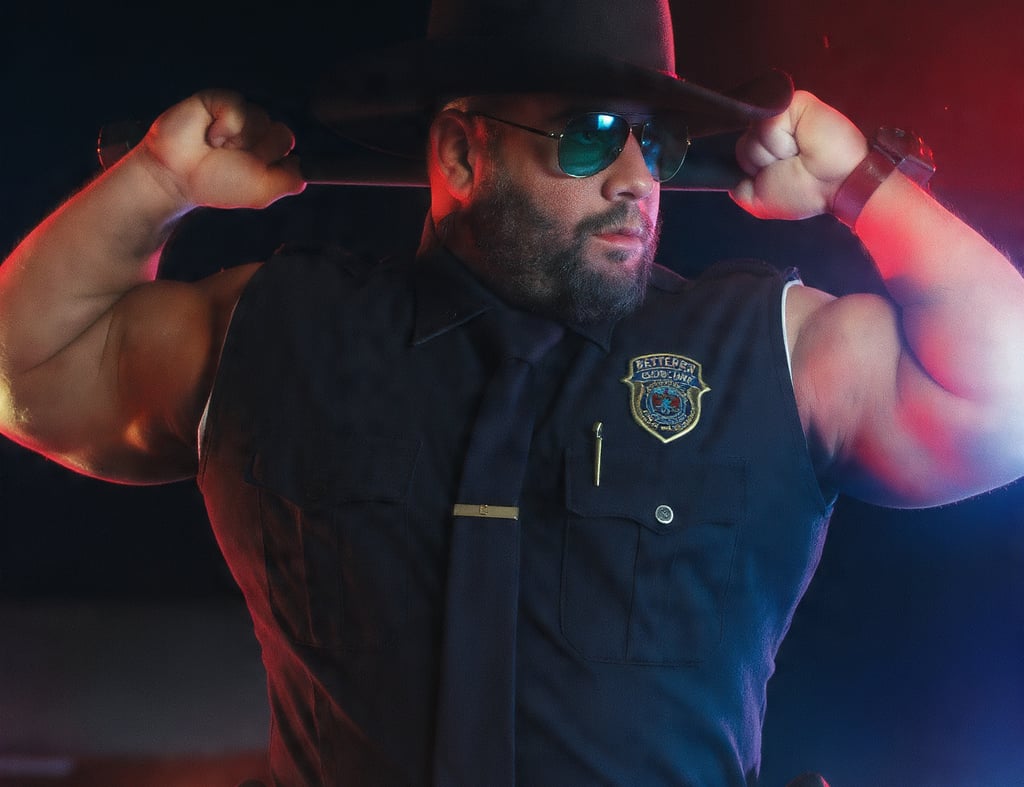
Situational Awareness for Rookie Cops: Life-Saving Lessons from Veteran Officers
Yo, rookie cops — listen up. Situational awareness isn’t just “look around and hope for the best.” It’s your brain and eyes running 24/7 like a radar, scanning every corner, every person, every movement. It’s spotting the guy sneaking up behind you, noticing tiny gestures that scream trouble, and predicting what might go wrong before it even happens. It’s about kicking your biases to the curb, questioning every assumption, and thinking two steps ahead like a street-level chess master. Master this, and you stop getting blindsided, keep yourself safe, and start acting like a real cop instead of just a rookie with wide eyes.
Yo, rookie cops — here’s the harsh truth: most rookies screw up because they can’t see their own brain messing with them. They assume the guy who’s lying is innocent, and the guy who’s innocent is lying. They arrest the “good guy” and let the real threat walk free. Why? Because their brain is blind to its own biases, assumptions, and shortcuts. A rookie cop is like a newbie in a video game, thinking they’re winning, but they’re missing traps everywhere. The sad part? A lot of cops never graduate past rookie-level thinking — they keep making the same mistakes because they never train their mind to see clearly, question themselves, and anticipate danger. Situational awareness isn’t optional — it’s the difference between walking home at the end of your shift or not.
And the truth hits even harder when you realize we hold life-changing power in our hands. One wrong arrest, one snap judgment, and we can ruin someone’s life forever. Let the real criminal lie straight to your face, and you’re the one who looks like the fool — untrained, blind, and naive. Being a rookie isn’t just about inexperience; it’s about your mind playing tricks on you. If you don’t train yourself to question every assumption, watch every move, and catch your own biases, you’re not just failing — you’re actively letting injustice happen. That’s why situational awareness isn’t a skill you learn once — it’s a daily survival habit.
My First Year as a Rookie Cop: A Hard Lesson in Awareness
My name is Joe Blow, and I’ll never forget my first year on the force. It was a late Friday night, and I was handling a call at a local bar — someone drunk in public. I thought I had it under control. As I scolded the guy, calling him a “drink moron,” I completely missed his buddy sneaking up behind me with a chair. One second I’m lecturing, the next, I’m knocked out cold.
I woke up later, bruised and humiliated, but alive. The next day, I went back to the bar, hoping to get surveillance footage. But no one would talk to me. “The cameras didn’t work,” they said. And deep down, I knew the truth: I should have seen him coming.
AdSense Placement Suggestion: After first paragraph – a responsive banner ad or in-article native ad.
The Lesson: Look Everywhere
That day taught me the hard way what situational awareness for police officers really means. As a cop, you have to look up, down, left, right, behind, and ahead. You have to be like a god, watching everything that’s happening, even when it seems like nothing is going wrong.
Situational awareness isn’t just about seeing. It’s about thinking critically, processing what you see, and predicting what might happen next. Every veteran officer knows that danger rarely announces itself. It hides in small gestures, body language, or in the quiet moments between chaos.
SEO Keywords: situational awareness for rookie cops, police training tips
Situational Awareness Goes Beyond Vision
Being aware also means training your mind to avoid assumptions. Rookie cops often fall into traps like:
Believing someone just because they “look trustworthy”
Automatically assuming someone is lying based on appearance
Following gut instinct without checking the facts
Veterans learn to question every assumption, watch for patterns, and recognize their own biases. Awareness isn’t just about watching others — it’s about watching yourself and your reactions.
AdSense Placement Suggestion: After this list — a medium rectangle (300x250) ad.
How to Train Situational Awareness
Here are practical ways rookies can sharpen their skills:
Scan constantly
Be aware of exits, bystanders, and possible threats.
Notice details others ignore — the color of cars, people’s hands, or sudden movements.
Role-play real scenarios
Simulate traffic stops, bar interventions, or public disturbances.
Test your reactions under stress to build instinctual awareness.
Review footage and learn
Analyze past calls to see what you missed.
Ask yourself: Could I have predicted that? Did I notice the cues?
Question your biases
Avoid assumptions based on race, age, appearance, or reputation.
Treat each call with fresh eyes and a cautious mindset.
AdSense Placement Suggestion: After this section — inline native ad or leaderboard.
Stories from the Field
After my bar incident, I started noticing small details. One night, a man was pacing outside a convenience store. He didn’t look dangerous, but something about his movements caught my eye. I approached carefully, and moments later, he tried to grab a bystander’s purse. That split-second situational awareness saved a life.
Veteran officers have dozens of these moments, proving that awareness saves lives, careers, and communities.
Internal Linking Suggestion: Link to related BetterCops.com posts like:
“Traffic Stop Safety Tips for Rookies”
“De-Escalation Techniques Every Cop Must Know”
The Takeaway
Situational awareness is the skill every rookie underestimates and every veteran perfects. It’s more than seeing; it’s observing, thinking, predicting, and questioning assumptions. It’s about being mentally and physically ready for anything, while staying calm under pressure.
If you want to be the kind of cop who survives rookie mistakes, protects the public, and earns peer respect, start training your awareness every single day.
Stay sharp. Stay safe. And for more insider tips, stories, and training advice, keep reading at BetterCops.com.