7-Second Habit: Secrets from Veteran Cops to Avoid Rookie Mistakes
Discover the powerful 7-second habit that distinguishes veteran cops. Learn essential insights that can sharpen your skills, enhance your safety, and help you think like an experienced officer right from the start. Avoid rookie mistakes and elevate your performance on the job.
POLICE TRAINING
Joe Blow
11/20/20254 min read
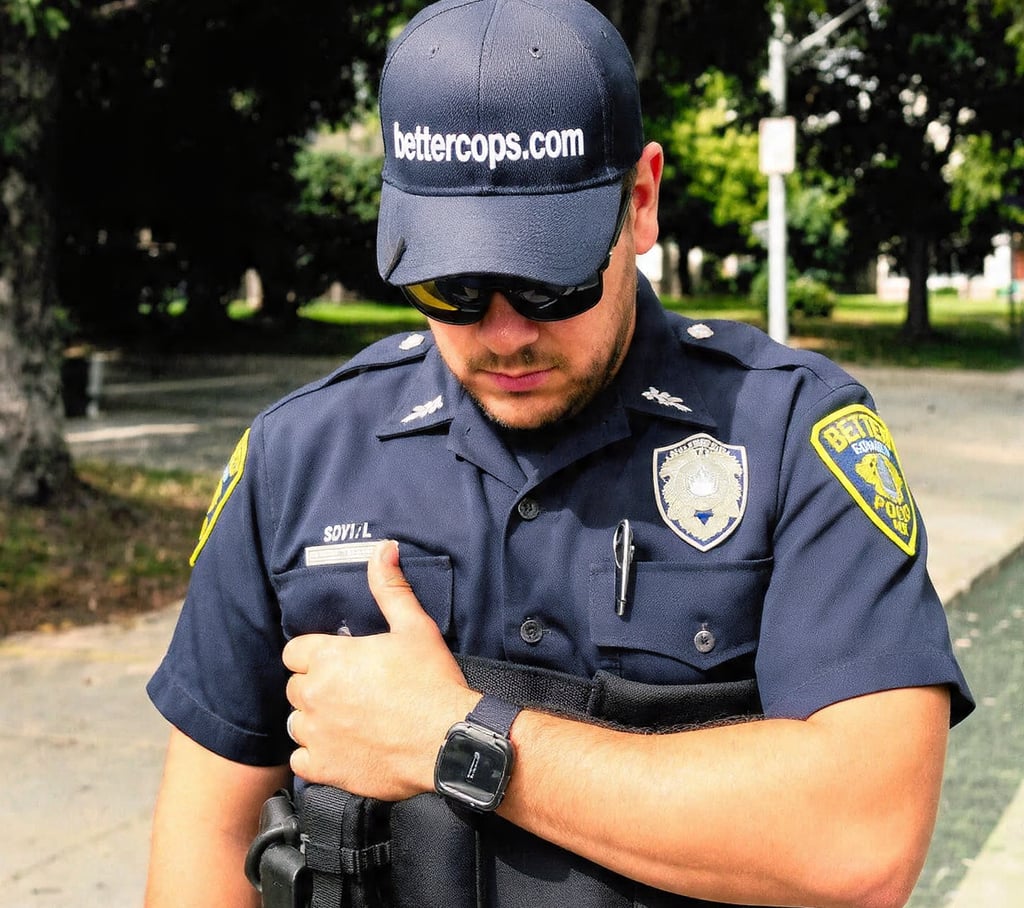
🚓 “The 7-Second Habit Every Veteran Cop Knows — And Every Rookie Learns the Hard Way”
The insider shift tactic that separates calm, respected officers from those who burn out, freeze up, or end up in viral bodycam footage.
⭐ Most people think policing is all about quick reactions. Officers know the truth is almost the opposite.
The public sees split-second decisions, flashing lights, and bodycam clips that last thirty seconds. They think the job is a pure adrenaline profession — nonstop action, nonstop chaos, nonstop crisis. But anyone who has actually worn the badge knows: policing is more about managing your own mind than managing criminals. The job is a constant mental negotiation between training, instinct, fatigue, frustration, and the unpredictable behavior of strangers on their worst day.
And that’s where the 7-second habit quietly defines the difference between an officer who moves with confidence and an officer who feels like they’re being yanked around by the job. The officers who last 20 years with solid reputations learn this habit early. The officers who don’t — the ones who stack complaints, lose their composure, or get themselves into bad situations — almost always skip it.
🚨 The Habit: The 7-Second On-Scene Reset
Every cop knows the moment: the cruiser stops, the engine hums, and the radio chatter fades into background noise. Before the door swings open, before the officer’s boots touch pavement, there is a window — tiny but powerful — where everything slows down.
Veteran cops treat this window like sacred time.
They breathe, reset, and mentally shift from whatever came before: the fight on the previous call, the domestic that went sideways, the supervisor who nitpicked reports, the family drama, the exhaustion from night shift, the empty stomach, the adrenaline hangover.
Those seven seconds are the difference between stepping into a scene with a clear mind or dragging an entire shift’s worth of emotional baggage into a situation that needs precision, not pressure.
And it’s not taught formally.
You learn it from older officers who’ve been through it — or from making mistakes until you understand why they do it.
🔍 Insider Reality: The Job Will Hijack Your Emotions If You Don’t Control Them First
Officers don’t talk about it publicly, but inside the profession everyone knows this truth:
Your emotions are louder than your commands.
If an officer approaches tense, the suspect becomes tense.
If an officer approaches angry, the suspect becomes defensive.
If an officer approaches frantic, everyone in the scene escalates.
Supervisors call it command presence — but cops know command presence isn’t about sounding tough. It’s about walking in with controlled energy that sets the tone before you say a single word. The 7-second habit is the fastest way to regain that control.
On scenes like domestics, narcotics calls, mental health crises, and foot chases, officers who rush in hot create problems that could’ve been avoided by simply asking themselves:
“What mental state am I bringing through this door?”
Veteran cops can tell which rookies skip their mental reset the second they arrive on a scene. They can see it in body language: the stiff shoulders, fast movements, clipped tone, irrational urgency. Those officers don’t just escalate situations — they burn themselves out faster than the job burns them.
🧠 Why the Brain Needs the Pause (The Part Only Cops Truly Understand)
Policing is one of the only careers where your brain can snap from boredom to life-or-death in under a minute. That rapid shift overloads the prefrontal cortex — the part of the brain that makes good decisions — and amplifies the amygdala — the part that triggers fight-or-flight.
The problem?
An officer in fight-or-flight doesn’t think like an officer.
They think like a cornered animal.
The 7-second pause resets the system. It lets the logical part of the brain come back online so the officer can think in terms of tactics, communication, and safety rather than instinct.
Most civilians will never understand this.
Most rookies understand it only after their first bad call.
Veteran officers understand it so deeply they do it without even realizing they’re doing it.
🏙️ The Streets Notice — Even When You Don’t Think They Do
Here’s the part that rarely gets talked about outside locker rooms: the public can sense your emotional energy before you even speak.
On calls in tense neighborhoods, certain residents study officers like they study the weather:
Is this cop calm?
Is this cop angry?
Is this cop afraid?
Is this cop about to make a dumb decision?
People pick up on micro-expressions faster than any academy instructor can teach. Officers who rush out of the cruiser overwhelmed or irritated give off a vibe the street interprets instantly — often as a challenge or threat.
But the officers who take seven seconds to compose themselves?
They step out slower.
They scan more intentionally.
They speak with steadier voices.
Their presence changes the whole scene.
That’s why the best officers rarely have to raise their voice.
They raised their mindset before they arrived.
🛡️ The Habit Doesn’t Make You Soft — It Makes You Tactical
Some younger officers confuse calmness with weakness. They think speed equals toughness. They think the job rewards the fastest talker, the quickest command, the loudest presence. But the cops who handle the toughest calls — the suicidal subjects, the armed barricades, the violent domestics — swear by the 7-second reset.
Because calm officers think wider.
They see second exits.
They catch hidden hands.
They get better reads on suspects’ body language.
They avoid tunnel vision — the number-one killer of good decisions.
No one gives you a medal for being calm.
But it keeps you alive.
And it keeps everyone else alive, too.
🧩 Every Great Cop Has a Ritual — This Is One of the Quiet Ones
Cops have dozens of micro-rituals the public never sees:
The way they approach a door
The way they scan a room
The way they grip the steering wheel before a big call
The way they listen to the tone of dispatch, not just the words
The way they position their body at an interview angle without thinking
The 7-second reset belongs in that group.
It’s one of those insider rituals that spreads through departments not because a chief mandates it, but because officers who’ve seen things train the next generation in ways only cops can appreciate.
🚓 Policing Won’t Get Easier — But Cops Can Get Smarter
This job will always demand everything from the people who do it. The chaos, the trauma, the unpredictability — those things aren’t changing. Officers can’t control the whole environment, but they can control the energy they carry into it.
And the secret is that it starts before you step out of the cruiser.
Seven seconds.
A breath.
A reset.
A small moment that changes the whole shift — and sometimes, the whole story.