Body Cameras: Accountability in Policing
Explore how body cameras accountability in policing enhance accountability in policing by exposing misconduct in law enforcement. Understand the role of technology in protecting citizens and addressing systemic injustices in racialized policing.
POLICE REFORM NOW
Tyrone Wiillis
11/19/20254 min read
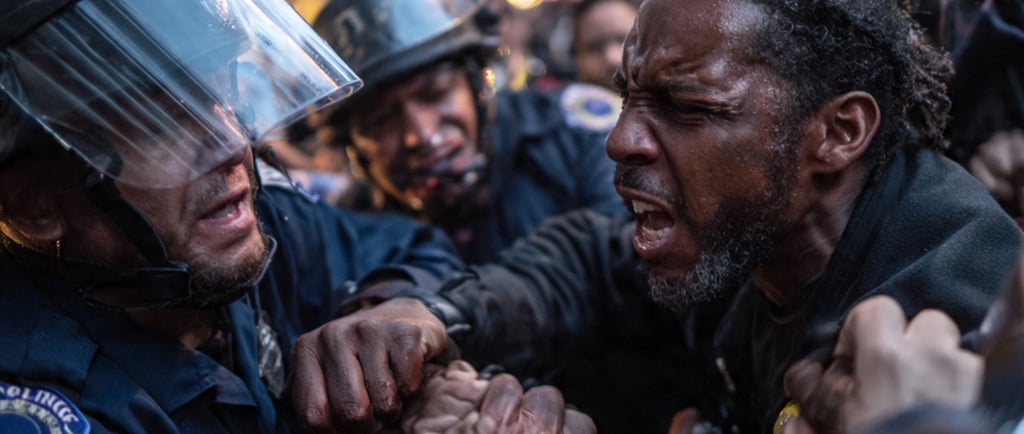
Through the Lens of Justice: How Body Cameras Are Changing Policing Amid Systemic Injustice
In the United States, the conversation around policing is never just about law and order—it is about history, power, and justice. While we hope for “good cops” to protect communities, the reality is far more complex. The origins of modern American policing are rooted in slave patrols, with law enforcement historically tasked with capturing and controlling Black bodies. This legacy lingers today, evident in disproportionate arrests, over-policing, and a legal system that often punishes the most vulnerable.
Consider the 13th Amendment of the U.S. Constitution, which abolished slavery except as punishment for a crime. This loophole codifies an uncomfortable truth: mass incarceration can function as a continuation of slavery. Millions of Black Americans have been arrested for minor infractions—or for no reason at all—exonerated years later, their lives disrupted and dignity stolen. Police shootings of unarmed Black men, wrongful arrests, and acts of brutality reveal a grim pattern: even under surveillance, the system often fails the people it is sworn to protect.
A History of Targeting and Injustice
Understanding the current policing crisis requires looking backward. Early police forces in America did not emerge from a desire to serve communities—they emerged to maintain the economic and social control of enslaved populations and marginalized communities. Over centuries, this role evolved but never fully shed its punitive roots. Today, Black communities remain heavily policed, often surveilled and criminalized for behaviors ignored elsewhere. The result is a persistent cycle: arrests, court battles, and incarceration, with real human costs that ripple across families and generations.
Even when officers operate in plain sight, cameras or witnesses often expose misconduct. Internal accountability has historically been weak, and misconduct can go unpunished. Many law-abiding Black Americans have been caught in this system, facing harassment, false accusations, or worse. The narrative of “protect and serve” clashes painfully with the lived experiences of those whose communities are over-policed.
The Arrival of Body Cameras: Transparency in the Crosshairs
Enter body cameras, a technological shift that promised accountability. When first introduced, body cams were hailed as a game-changer in policing, a tool that could document interactions, prevent misconduct, and rebuild public trust. The logic was simple: if every encounter is recorded, officers would be less likely to act outside the law, and communities could finally access objective evidence when complaints arose.
And for some, this technology did exactly that. High-profile cases caught on tape exposed police violence, leading to convictions, resignations, and public outrage. Body cams offered undeniable proof that previous reliance on officer testimony or selective surveillance was insufficient. For victims and families, these recordings became a lifeline—evidence that their voices were valid, that their stories could be verified.
Yet, as with any technology, the reality is more complicated. Body cameras have not erased systemic injustice—they have shone a harsh light on it. Cases where footage conveniently disappears, officers fail to activate cameras, or departments control access to recordings reveal that accountability is only as strong as the policies enforcing it. Technology alone cannot solve the deep-rooted problems of policing.
Why Body Cameras Matter, Even Amid Injustice
Despite limitations, body cameras have fundamentally changed the landscape of policing. They force officers to behave differently, knowing that every interaction could be scrutinized. They empower citizens to challenge misconduct with evidence rather than narrative alone. They create a record that, for the first time, can withstand the biases of internal investigations or public perception.
The discomfort comes when we realize that even with this transparency, the structural inequities of policing remain. Body cameras do not dismantle a system built to over-police Black communities, nor do they resolve centuries of racialized injustice. But they offer a tool of accountability in a landscape where unchecked authority has caused generations of harm.
The Human Cost Behind the Lens
Each recording tells a story: the wrongfully arrested individual, the unarmed man fatally shot, the family left with trauma and unanswered questions. Body cameras give a window into a reality that was often invisible, forcing society to confront uncomfortable truths. Watching these interactions, one cannot help but feel intensity, injustice, and moral discomfort—because they expose what has always been there, hidden in plain sight.
Technology has made the world more fair than ever before, but only in the sense that it illuminates wrongdoing. It cannot stop biased practices, but it can demand accountability, creating pressure for systemic change. In that sense, body cameras are both a mirror and a magnifier—they reflect the flaws of policing while amplifying calls for reform.
Toward a Just Future
The journey toward fair policing is long and painful. Good cops exist and are essential, but they operate within a system that has historically targeted communities of color. Body cameras do not replace policy reform, equitable training, or public oversight, but they provide critical evidence to push these changes forward.
The challenge moving forward is clear: leverage technology, enforce accountability, and transform the culture of policing so that every citizen is treated with dignity. This requires confronting history, acknowledging systemic bias, and using tools like body cameras to demand transparency. Only then can we begin to reconcile the promises of justice with the realities experienced by millions across America.
Conclusion:
Body cameras are more than devices—they are symbols of a society grappling with its own history of oppression and injustice. They do not erase the past, but they provide a lens through which truth can be seen, recorded, and acted upon. In the face of systemic inequity, technology illuminates, accountability empowers, and hope persists, reminding us that even in a flawed system, reform is possible—but only if society chooses to see, act, and insist on justice.